The Importance of AI in Enhancing Running Performance and Training Efficiency

Running has always been a sport that demands dedication, discipline, and smart training. Today, artificial intelligence (AI) is transforming how runners train and improve their performance. By offering personalized insights and real-time feedback, AI helps athletes of all levels run smarter, avoid injuries, and reach their goals faster.
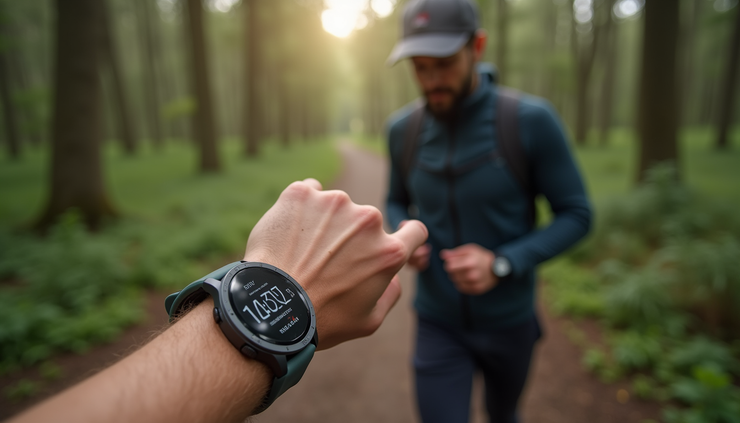
How AI Personalizes Training Plans
Every runner is unique, with different strengths, weaknesses, and goals. AI analyzes data from wearable devices, such as heart rate, pace, and stride length, to create customized training plans. These plans adjust dynamically based on progress and recovery, ensuring runners train at the right intensity.
For example, AI can detect when a runner is overtraining by monitoring fatigue levels and suggest rest days or lighter workouts. This personalized approach reduces the risk of burnout and injury, helping runners stay consistent.
Real-Time Feedback to Improve Running Form
Proper running form is crucial for efficiency and injury prevention. AI-powered apps and devices use motion sensors and cameras to analyze a runner’s gait in real time. They provide instant feedback on posture, foot strike, and cadence.
This feedback allows runners to make small adjustments during their runs, improving technique without waiting for a coach’s evaluation. Over time, these corrections lead to better performance and fewer injuries.

Tracking Progress and Setting Goals
AI tools track a runner’s progress over weeks and months, highlighting improvements and areas that need work. They can analyze trends in speed, endurance, and recovery, helping runners set realistic goals.
Some AI platforms even use predictive analytics to estimate race times based on current training data. This helps runners prepare more effectively for events like marathons or 5Ks.
Injury Prevention Through Data Analysis
Injuries are a common setback for runners. AI helps by identifying patterns that often lead to injury, such as uneven stride or sudden increases in training load. By alerting runners early, AI encourages adjustments before problems develop.
For instance, if a runner’s gait analysis shows imbalance, AI might recommend specific strength exercises or rest. This proactive approach keeps runners healthy and training consistently.

Comments